


health links
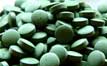
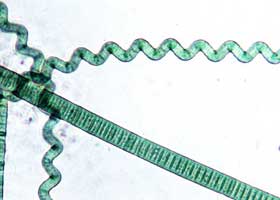
The term spirulina refers to a large number of cyanobacteria, or blue-green algae. Both Spirulina spp . and non- Spirulina spp. fall into the classification of cyanobacteria, and include: Aphanizomenon spp., Microcystis spp., Nostoc spp., and Spirulina spp. Most commercial products contain Aphanizomenon flos-aquae, Sprirulina maxima, and/or Spirulina platensis.
These algae are found in the warm, alkaline waters of the world, especially of Mexico and Central Africa. Spirulina spp. are most often grown under controlled conditions and are subject to less contamination than the non-spirulina species that are harvested naturally.
|
Aquarium and pond information, articles, help, and resources For unique products from Via Aqua, Tropic Marine & other aquarium and pond supplies; Aquarium pumps, filters, uv sterilizers, fish food, to aquarium information and treatments. To ocean themed home decor; shell night lights, seashells, wind chimes and more. |
Water scientific evidence Spirulina is a popular therapy for weight loss, and is sometimes marketed as a "vitamin enriched" appetite suppressant. However, little scientific information is available on the effect of spirulina on weight loss in humans. |
|
Sea products In animal studies, spirulina has been found to lower blood cholesterol and triglyceride levels. Preliminary poor-quality studies in humans suggest a similar effect. Better research is needed before a firm conclusion can be drawn. |
Chronic viral hepatitis Preliminary study of spirulina for chronic viral hepatitis shows negative results. |
|
Leukoplakia Preliminary research has not clearly shown benefits of spirulina in the treatment of oral leukoplakia. Meal Delivery Enjoy healthy and nutritious meals delivered right to your door with our convenient meal delivery service. |
Malnutrition Spirulina has been studied as a food supplement in infant malnutrition. Spirulina does not seem to give added benefit over traditional renutritions, is more costly and therefore is not recommended. |
